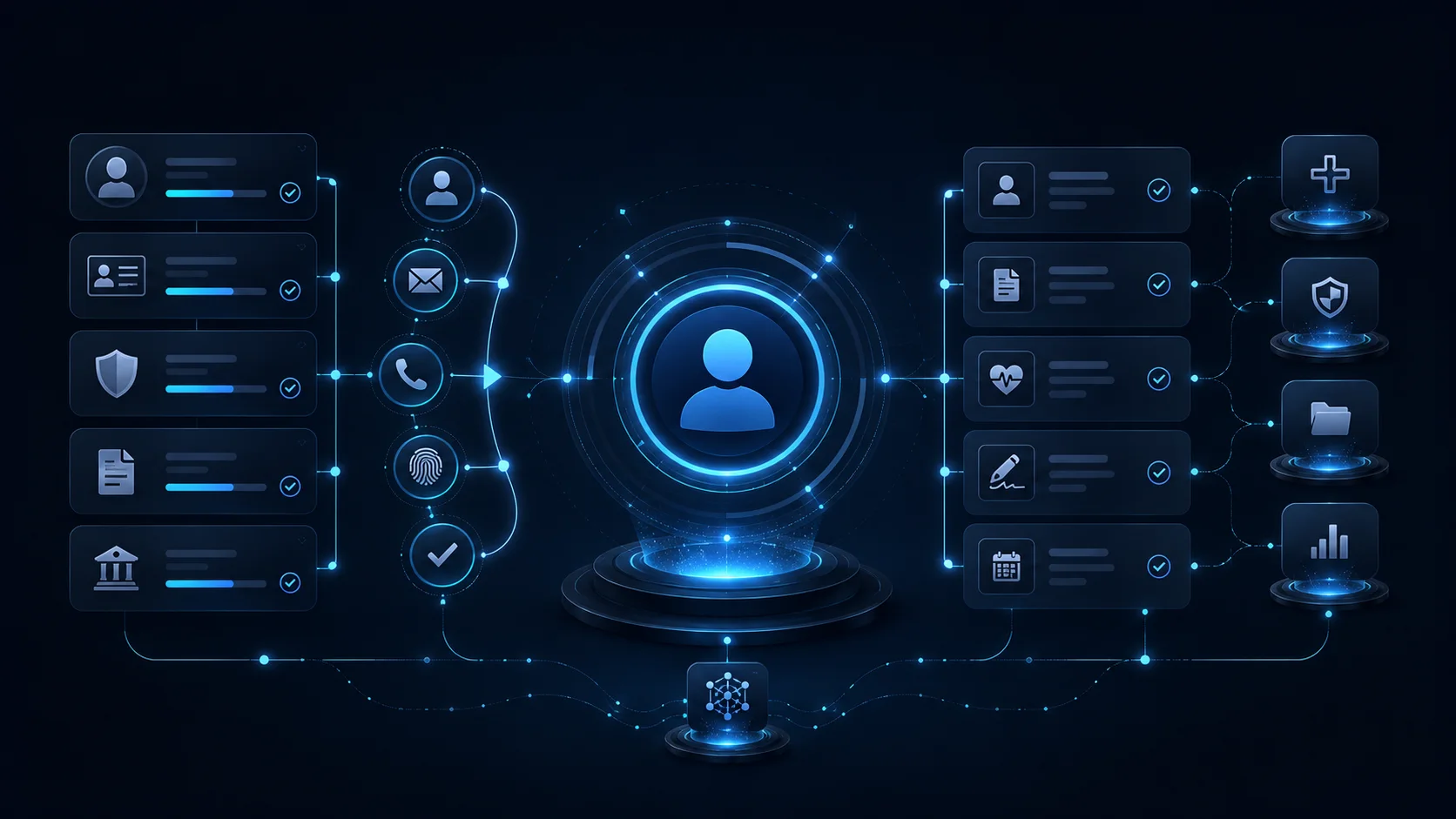
Turn onboarding from scattered questions into a guided, measurable operating flow.
The AI Onboarding Engine captures context, qualifies readiness, recommends the next system and hands a structured brief to the team — reducing manual back-and-forth before implementation begins.
What this module is designed to do.
The interface is only the visible layer. The real value is the operating logic, boundaries, routing and ownership behind it.
Context-aware intake
Capture market, segment, language, locations and operating structure in a guided sequence.
Growth input capture
Collect services, offers, channels, capacity and constraints before recommendations are made.
Readiness qualification
Identify intent, timeframe, decision ownership and current system maturity.
Path recommendation
Route toward the right Growth System, service, AI module or strategy conversation.
Structured CRM handoff
Turn inputs into clean fields, tags, ownership and follow-up context.
Progress visibility
Make the onboarding journey measurable rather than relying on fragmented messages and calls.
A visible path from signal to owner.
The workflow is deliberately explicit so teams know what the AI does, what it does not do and where humans take over.
Identify context
Region, city, segment, language and organization type.
Capture growth inputs
Services, offers, capacity, current channels and constraints.
Qualify readiness
Intent level, timing, decision role and implementation dependencies.
Recommend the next system
Choose the most relevant Growth System, service or diagnostic path.
Hand off cleanly
Push a structured summary into the agreed CRM, task or human workflow.
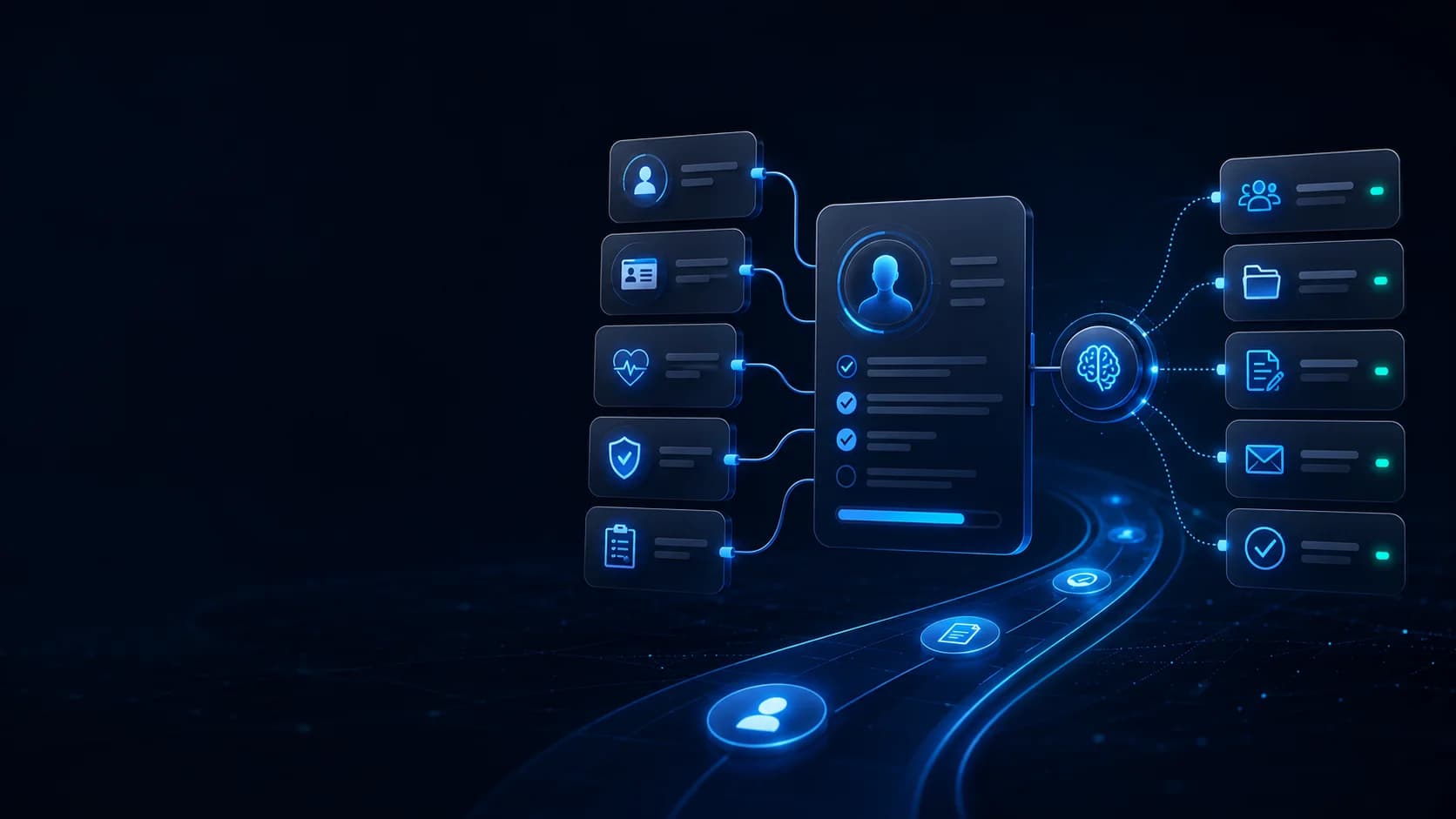
The interface is only one moment in a much larger journey.
Onboarding Engine is designed to sit inside the real operating flow — before and after the interaction — with routing, ownership, approved boundaries and measurable states connected around it.
See the operating logic, not just a pretty interface.
Switch between representative scenarios to see how the module should interpret the request and move toward an approved next step.
The engine captures launch timing, service lines, branch details and current assets, then routes the opportunity to the Launch System pathway.
Useful AI knows where its authority ends.
The boundaries are part of the product architecture, not a disclaimer added after the workflow is built.
Designed to do
Never positioned to do
Connect the module to the systems and metrics that make it useful.
Pilot the workflow before you scale the automation.
The deployment sequence is intentionally practical: define, connect, test, measure, then expand.
Designed to feel simple even when the workflow behind it is not.
The user sees one clean interaction. Behind it sit routing rules, boundaries, ownership, integration points and measurable states.
Questions about Onboarding Engine.
No. It standardizes intake and reduces repetitive back-and-forth while the human team remains responsible for final decisions and relationship ownership.
Related AI modules.

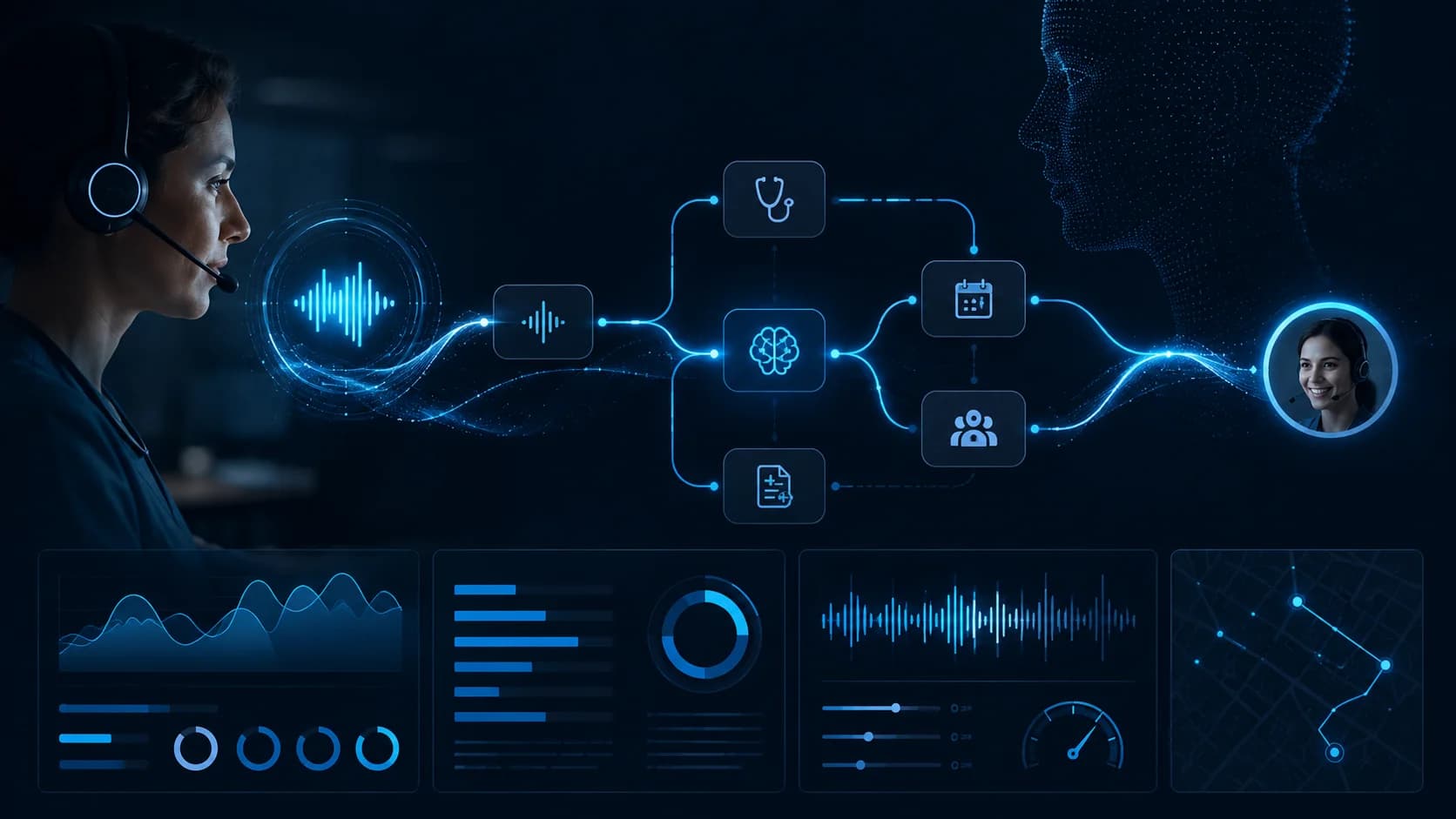
Deploy Onboarding Engine around a real workflow, not a technology demo.
Define the use case, boundaries, owner, integration path and success signals before wider rollout.